9 hr
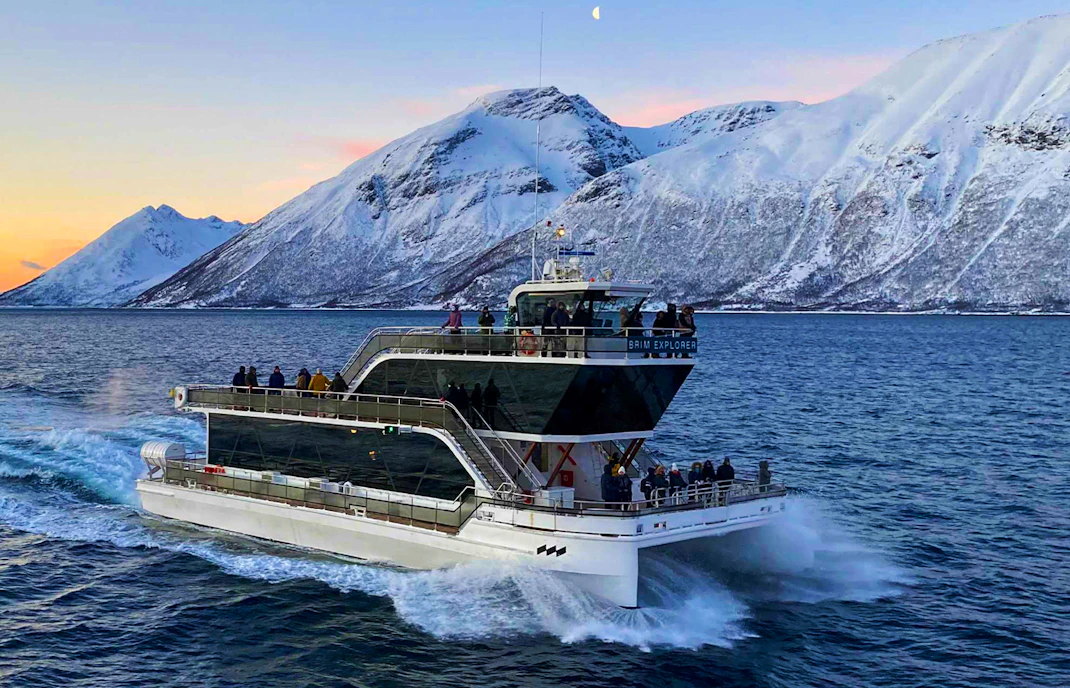
Arctic Whale Watching on Hybrid-Electric Catamaran
- Expert local guide
- Small group
- Skip-the-line access
- Free cancellation
Tromso Orca Tour — Full-Day Arctic Whale Safaris
Black fins cut the fjord, dawn holds its breath.
Compare fares, pick the fit — all bookings are mobile-voucher and eligible for free cancellation where shown.
9 hr
8 hr
8 hr
| Experience | Duration | Rating | Skip-the-line | Guide | Small group | Free cancel. | Price | |
|---|---|---|---|---|---|---|---|---|
|
Guided Experience
Most popular
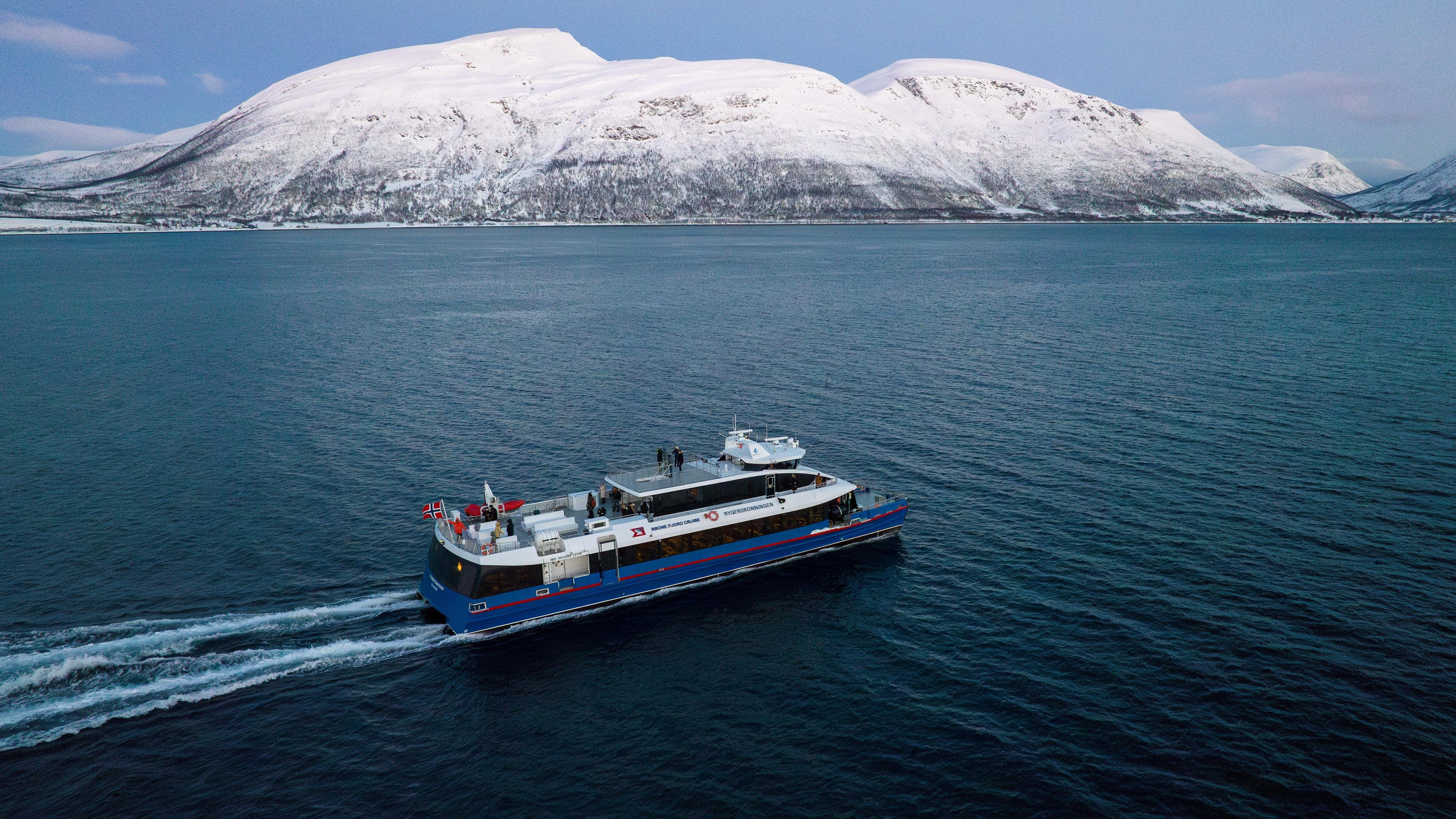
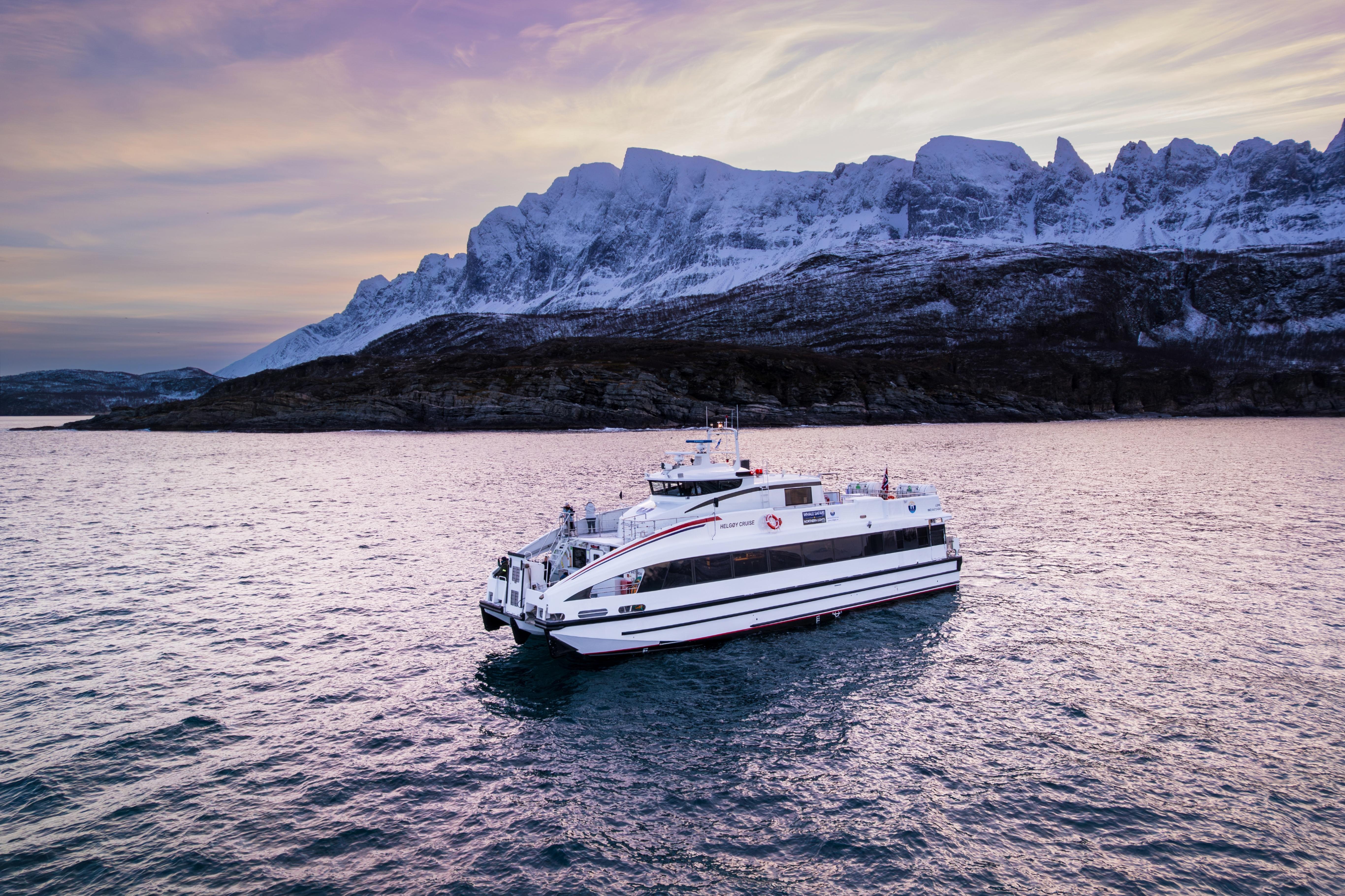
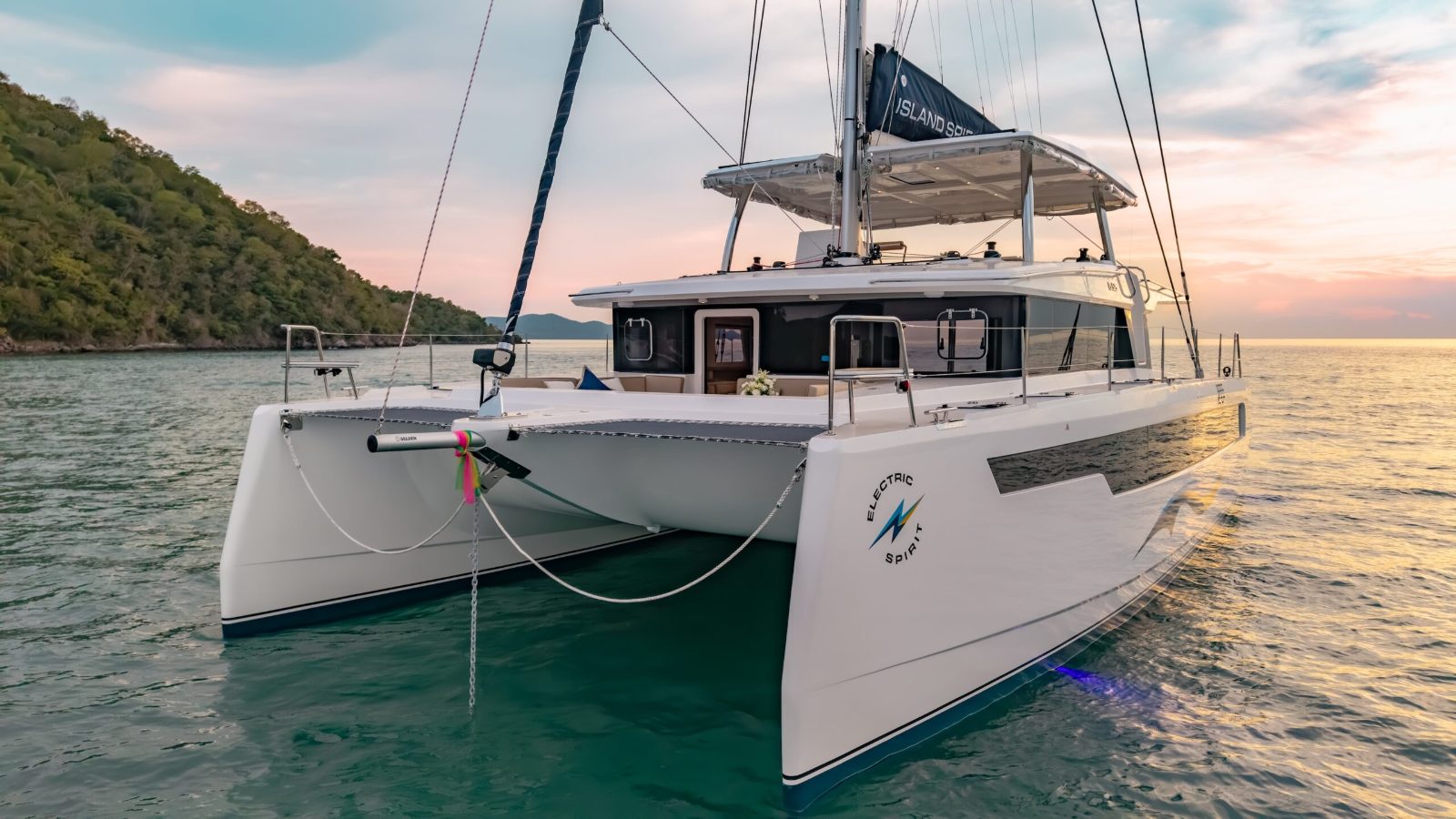
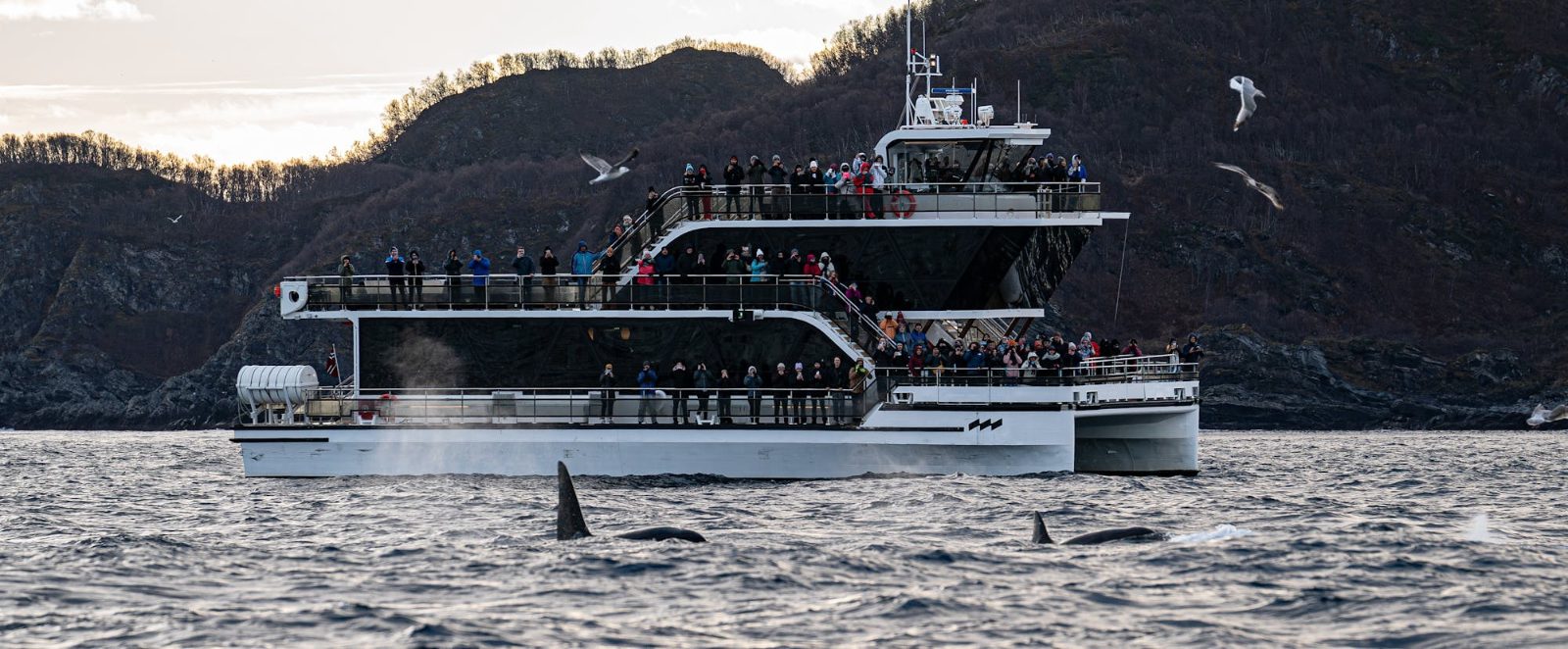
Arctic Whale Watching on Hybrid-Electric Catamaran
|
9 hr | ★ 4.5 | ✓ | ✓ | ✓ | ✓ | €182 | Book → |
|
Guided Experience
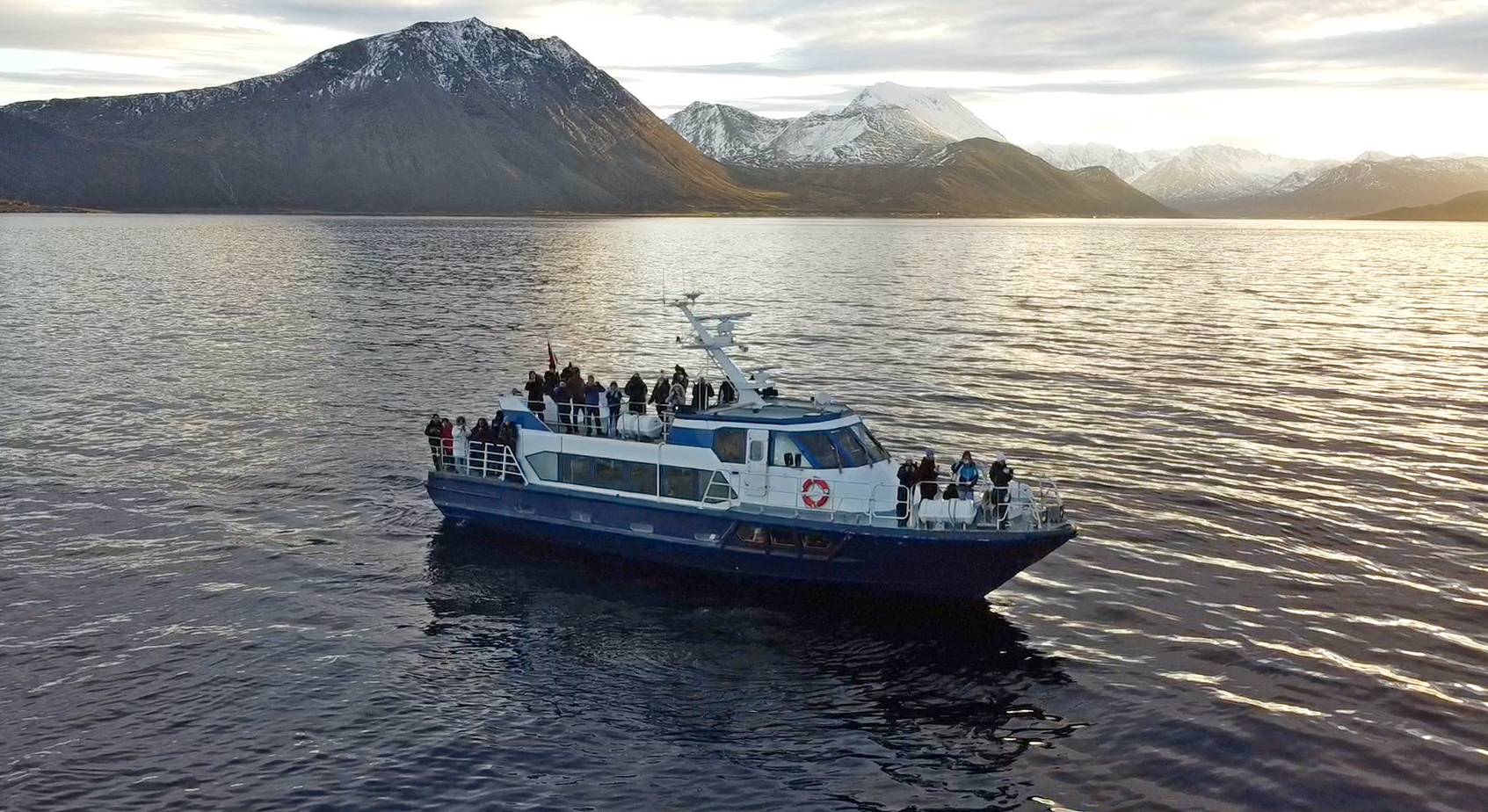
Tromsø Whale Watching Safari by Fast Catamaran
|
8 hr | ★ 4.6 | ✓ | ✓ | ✓ | ✓ | €192 | Book → |
|
Guided Experience
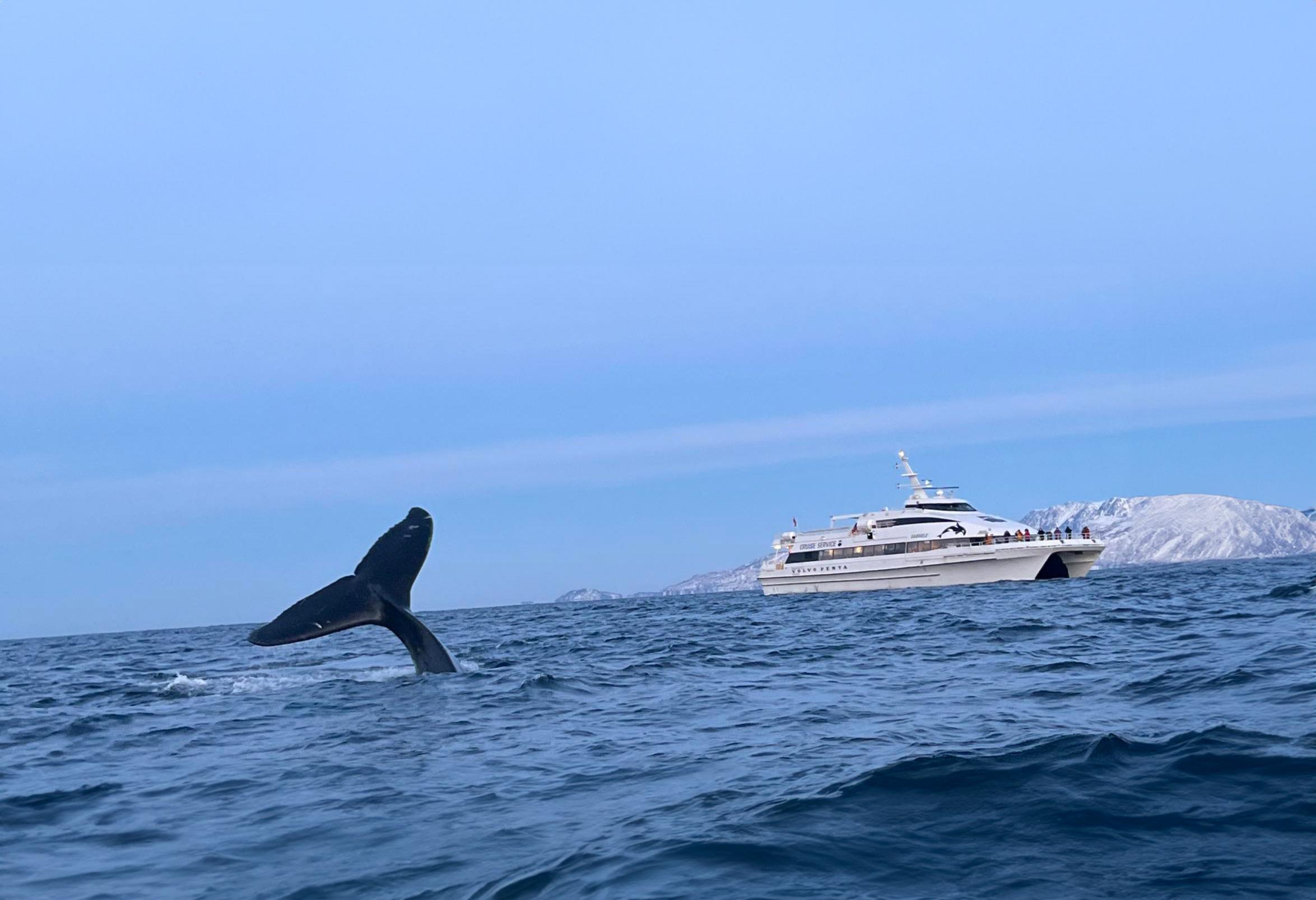
Arctic Whale Safari aboard MS Gabriele
|
8 hr | ★ 4.3 | ✓ | ✓ | ✓ | ✓ | €183 | Book → |
Worth it for wildlife-first travellers, not casual sightseers
At 1,990 NOK, a tromso orca tour is one of the priciest half-days in Northern Norway, and the number only makes sense once you understand what you are buying: not a boat ride, but a search. Orcas and humpbacks follow herring shoals that shift fjord to fjord each week, so skippers and marine guides burn fuel chasing radioed sightings across the Kvaløya and Skjervøy waters, often for hours. That expertise, plus thermal suits, hot drinks and a licensed vessel operating in Arctic swell, is the real cost line. Whale watching in Tromsø pays off for anyone who came north specifically for cetaceans, photographers with a long lens, and first-timers who would otherwise never see a pod hunting under a low sun. It pays off less for travellers treating it as one box among many, since sightings are never guaranteed and the money is gone either way.
Bottom line: If Arctic wildlife is the reason you flew north, book the tromso orca tour tour and accept the gamble; if it is merely on your list, spend the 1,990 NOK elsewhere.
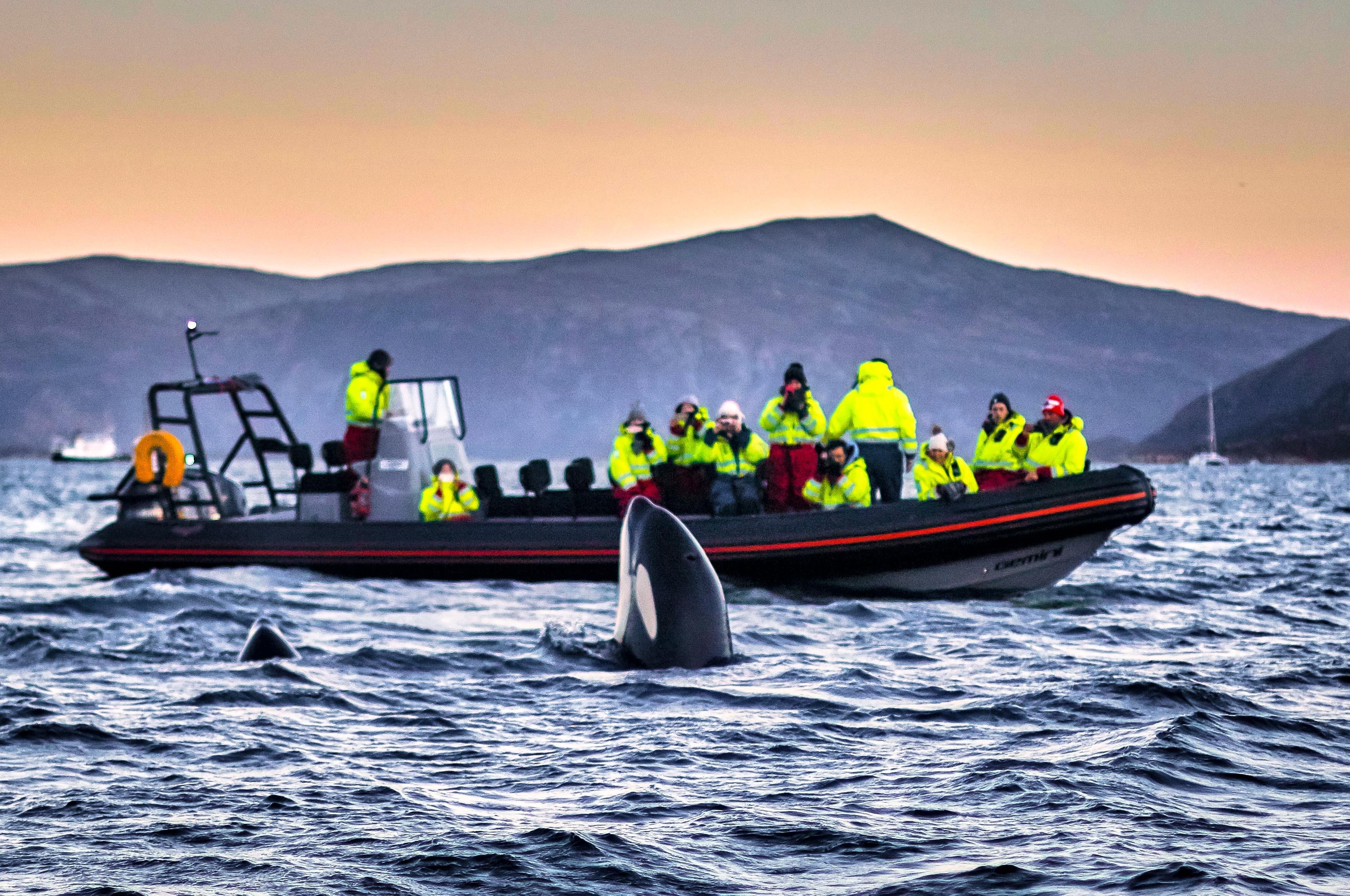
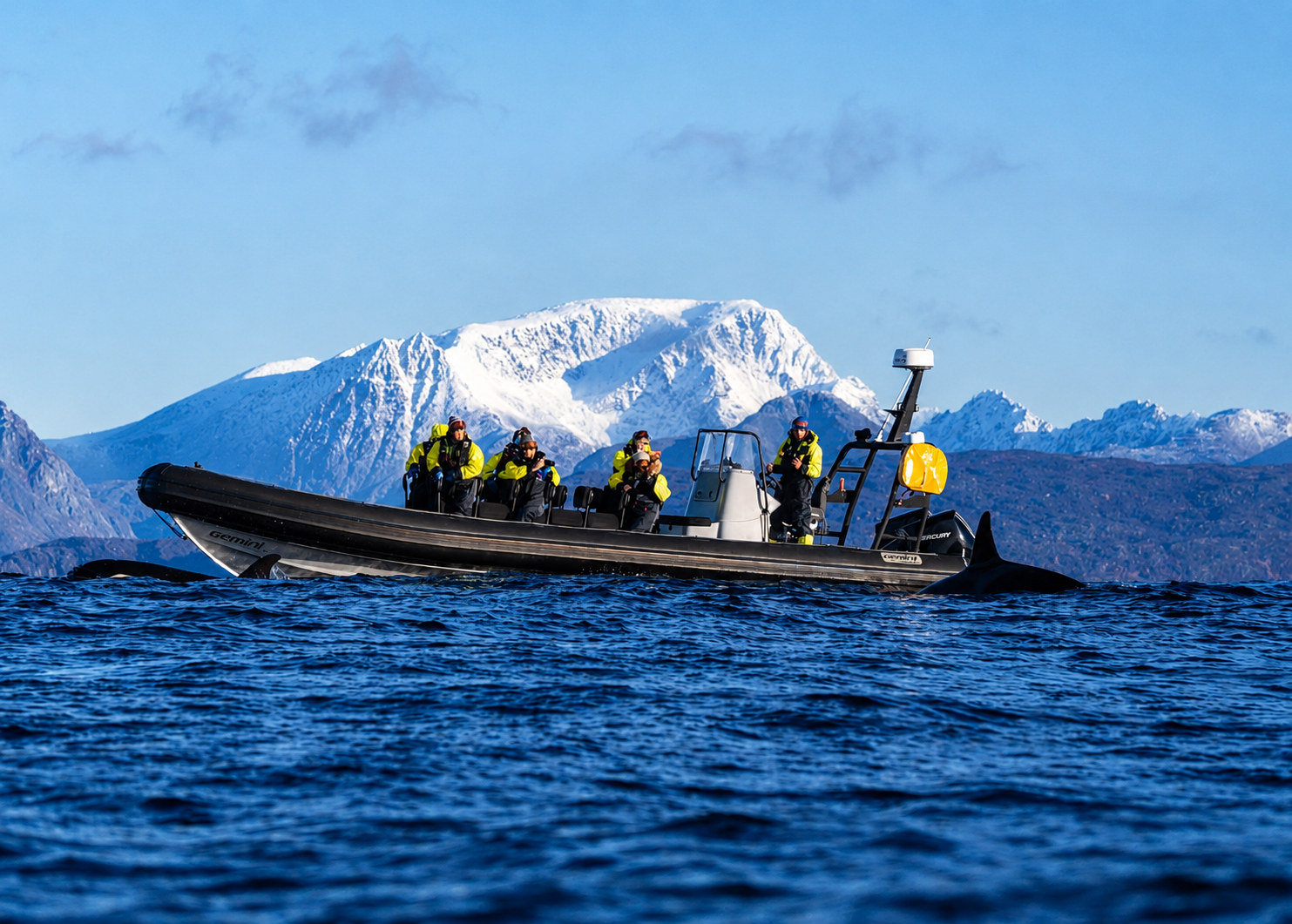
Choosing between a large vessel and a RIB comes down to prioritizing either interior comfort or agile access to marine life. Large vessels are superior for sea stability, while the RIB is preferred by those seeking a high-speed Arctic whale expedition.
|
Top pick Tromsø Whale Watching |
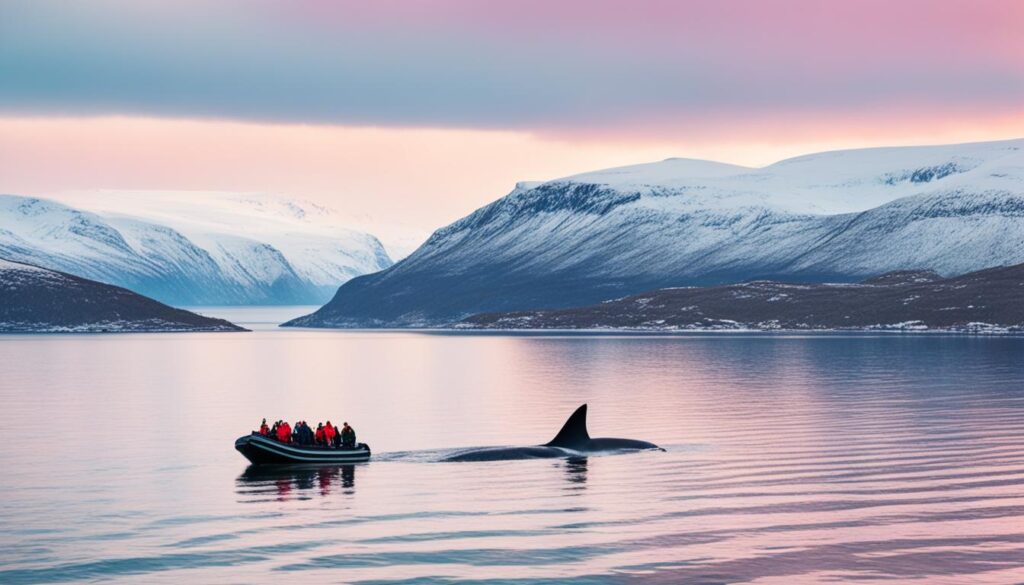
RIB Whale Watching Boat | |
|---|---|---|
| Speed and Maneuverability | Moderate cruising speed | High speed and agility |
| Proximity to Wildlife | Maintains safe distance | Close observation possible |
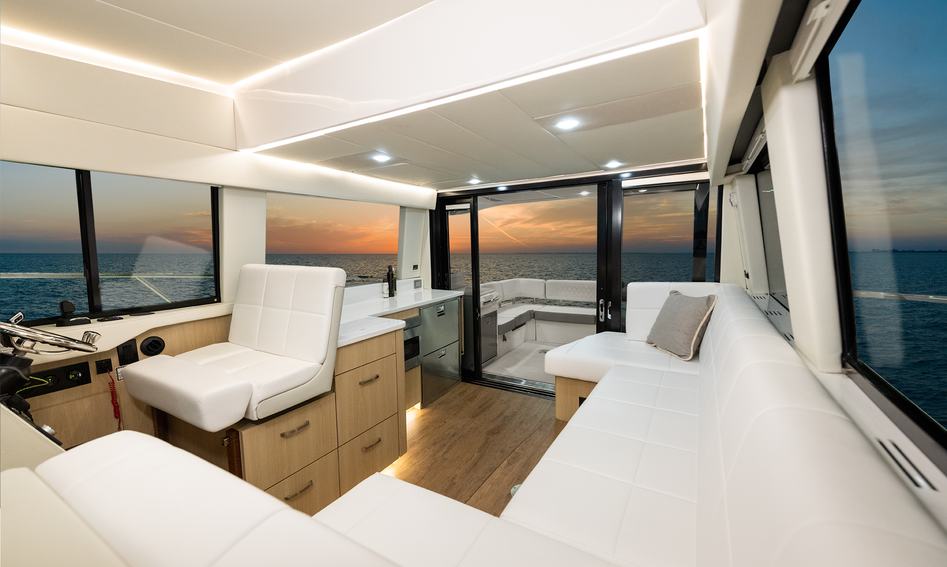
| Comfort and Warmth | Heated indoor cabin | Exposed to elements |
| Photography Stability | Stable platform | Requires hand-held stabilization |
| Accessibility | Easily accessible for all | Requires physical mobility |
| See tickets & prices |
Verdict: If you require comfort during your tromso orca tour tickets search, the large vessel is optimal, whereas the RIB provides a more intimate encounter for those booking these tromso orca tour tours.
Hand-picked experiences loved by thousands of travelers
8 hours
Free Cancellation
Set sail on an intimate Arctic voyage to witness orcas and humpback whales in their natural habitat
12 hours
Free Cancellation
Witness orcas and humpback whales feeding in Norway's Arctic fjords during an epic 12-hour expedition
12 hours
Free Cancellation
Speed across Arctic fjords in search of humpbacks, orcas, and fin whales on this full-day adventure
7.5 hours
Free Cancellation
Journey through stunning fjords aboard a fast catamaran searching for humpbacks, orcas, and fin whales
4 to 12 hours
Free Cancellation
Chase orcas and humpbacks through fjords on a thrilling RIB adventure during herring season
12 hours
Free Cancellation
Journey through fjords aboard a heated vessel to witness orcas and humpbacks in their natural habitat
8 hours
Free Cancellation
Eight-hour fjord expedition seeking orcas and humpbacks with expert guides and responsible practices
24 hours
Free Cancellation
Combine aurora hunting and whale encounters on a 24-hour Arctic voyage with cabin accommodation
Features silent propulsion to minimize disturbance to marine life during your tromso orca tour.
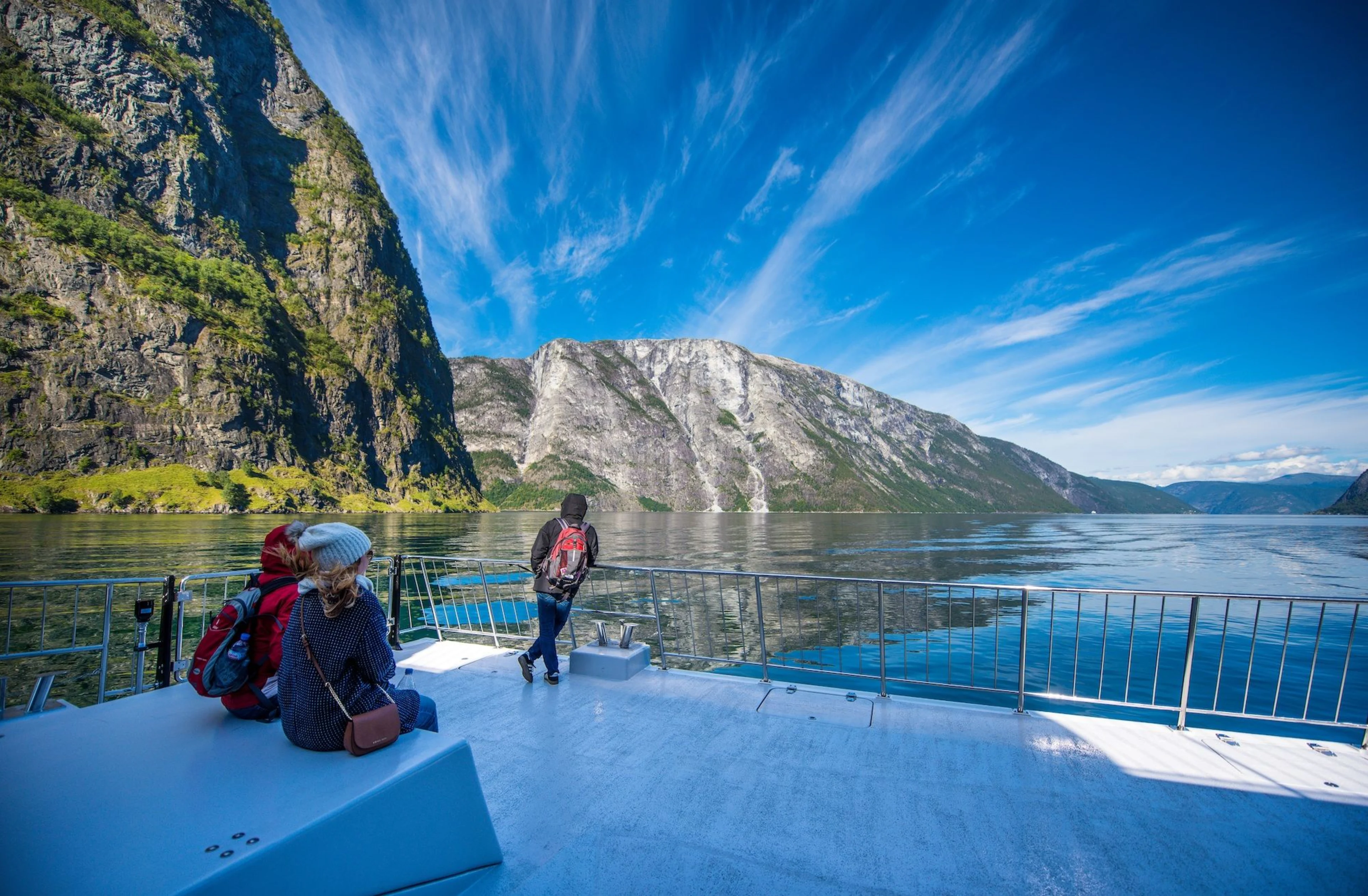
Provides floor-to-ceiling panoramic windows for viewing while staying warm.
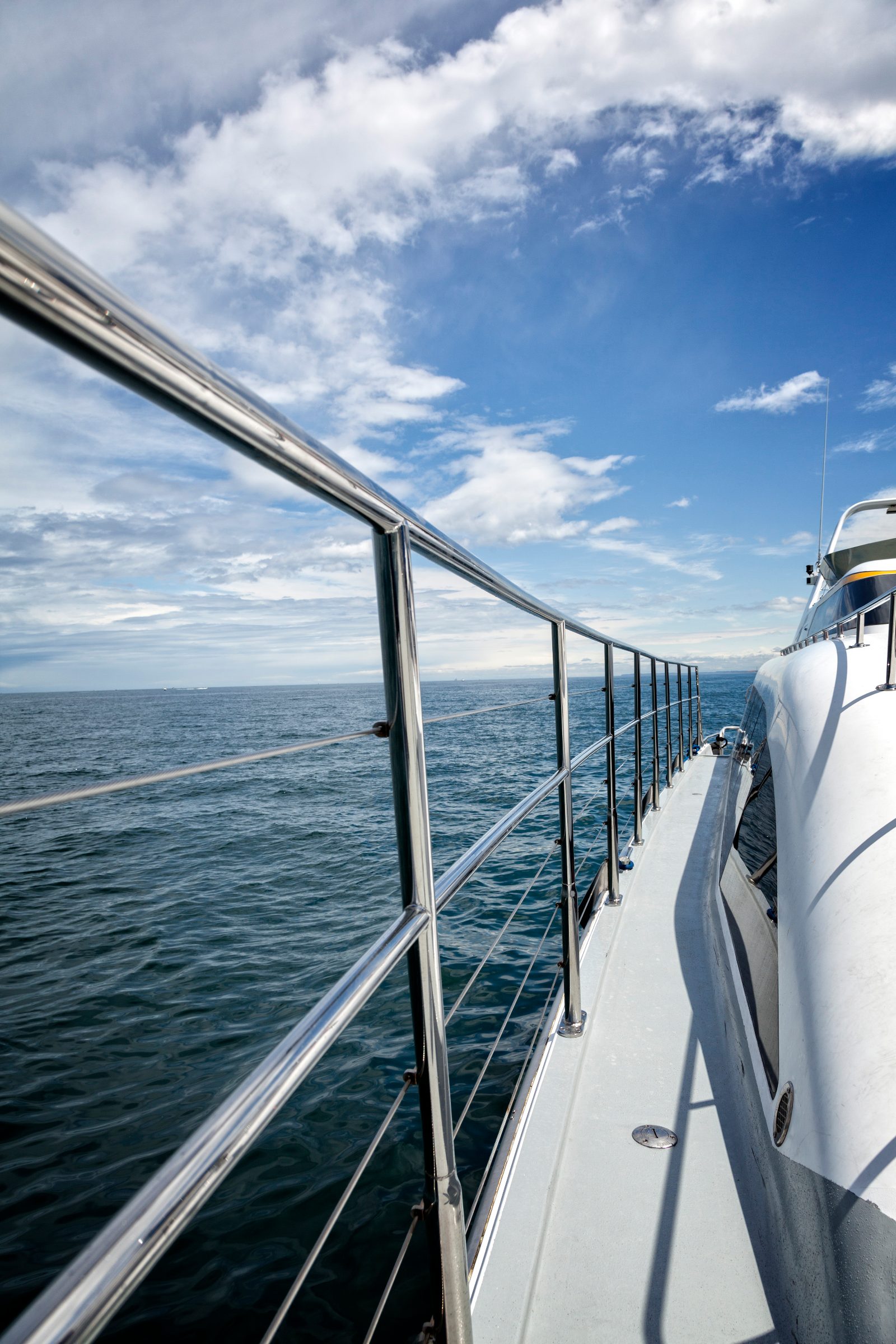
Offers direct access to Arctic air and prime spots for photography.
Allows passengers to listen to whale vocalizations in real-time beneath the surface.
Educational hub where experts explain local ecosystem behavior and herring migration.
You reach Kaigata 6 between 08:00 and 08:15, while the harbour lamps are still on. Check-in is at the quay. You are handed a thermal flotation suit, and you pull it on over everything you are already wearing, because the deck will be colder than the forecast suggests.
Boarding follows, then a safety briefing, then the lines come off.
The boat clears the breakwater and turns north-east. For the first hour you watch the coastline: snow to the waterline, red boathouses, the occasional sea eagle on a headland. The guide reads the water for cues — a dense raft of gulls, a fishing vessel hauling nets, a change in the colour of the surface. On a tromso orca boat tour these signs matter more than any fixed route.
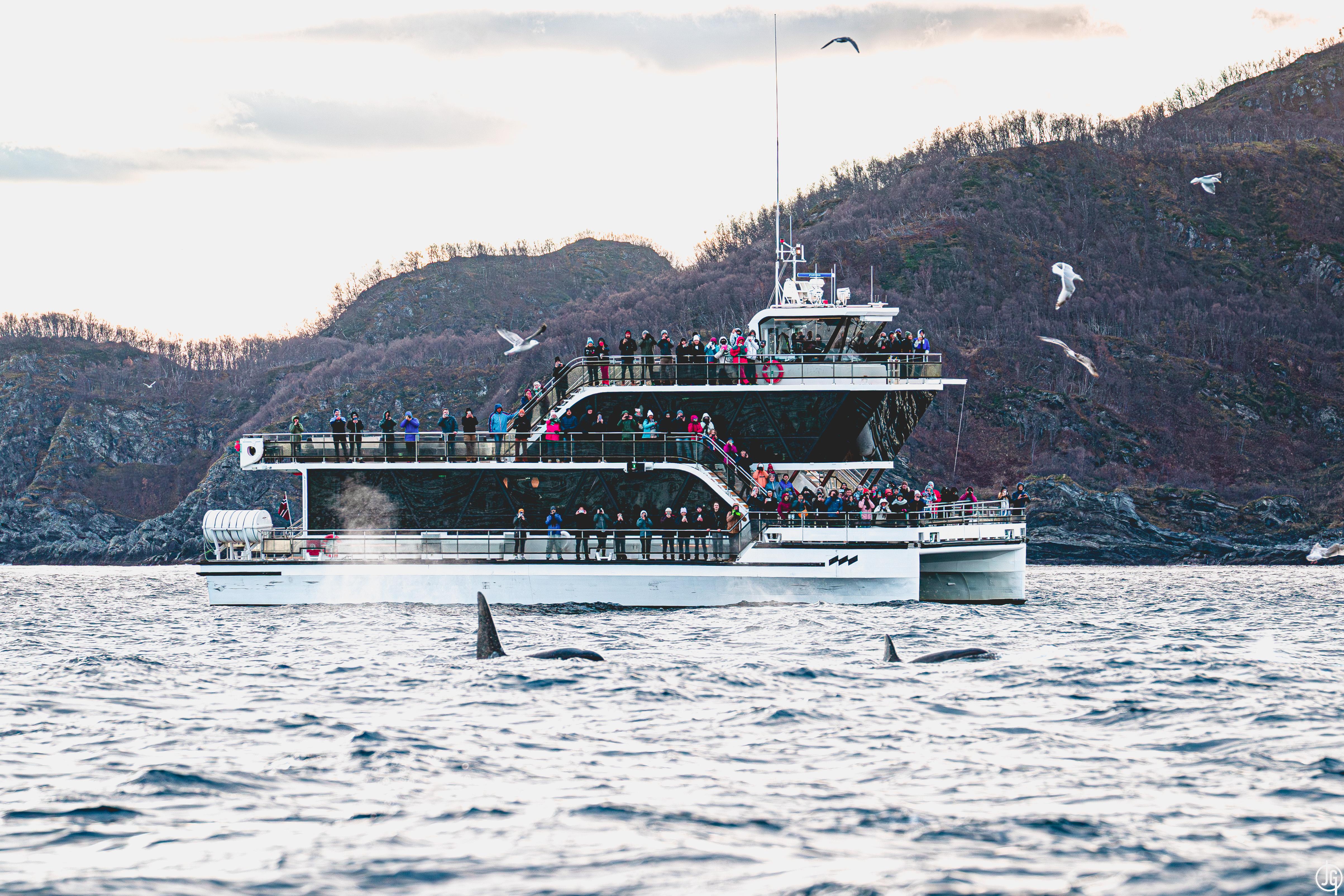
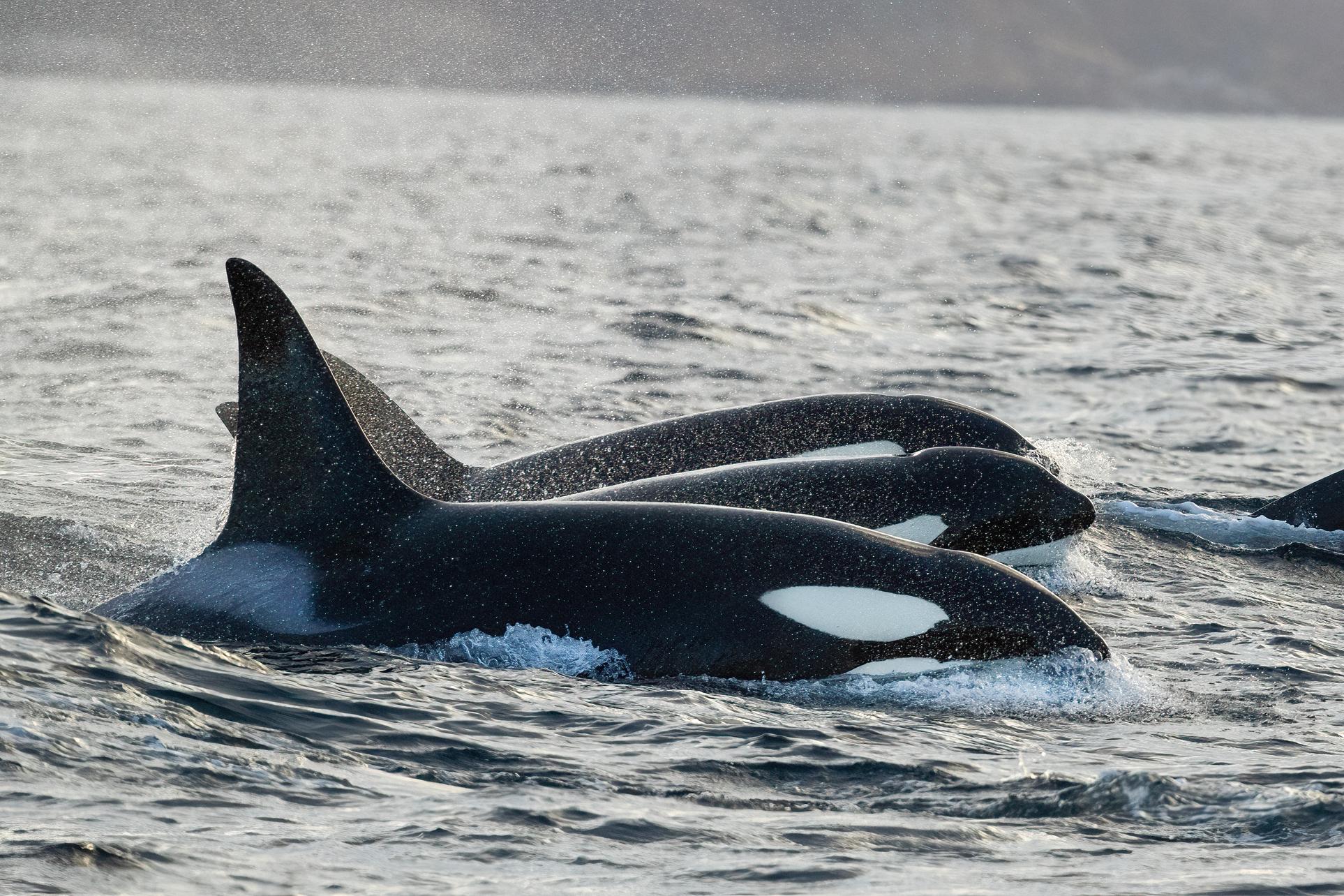
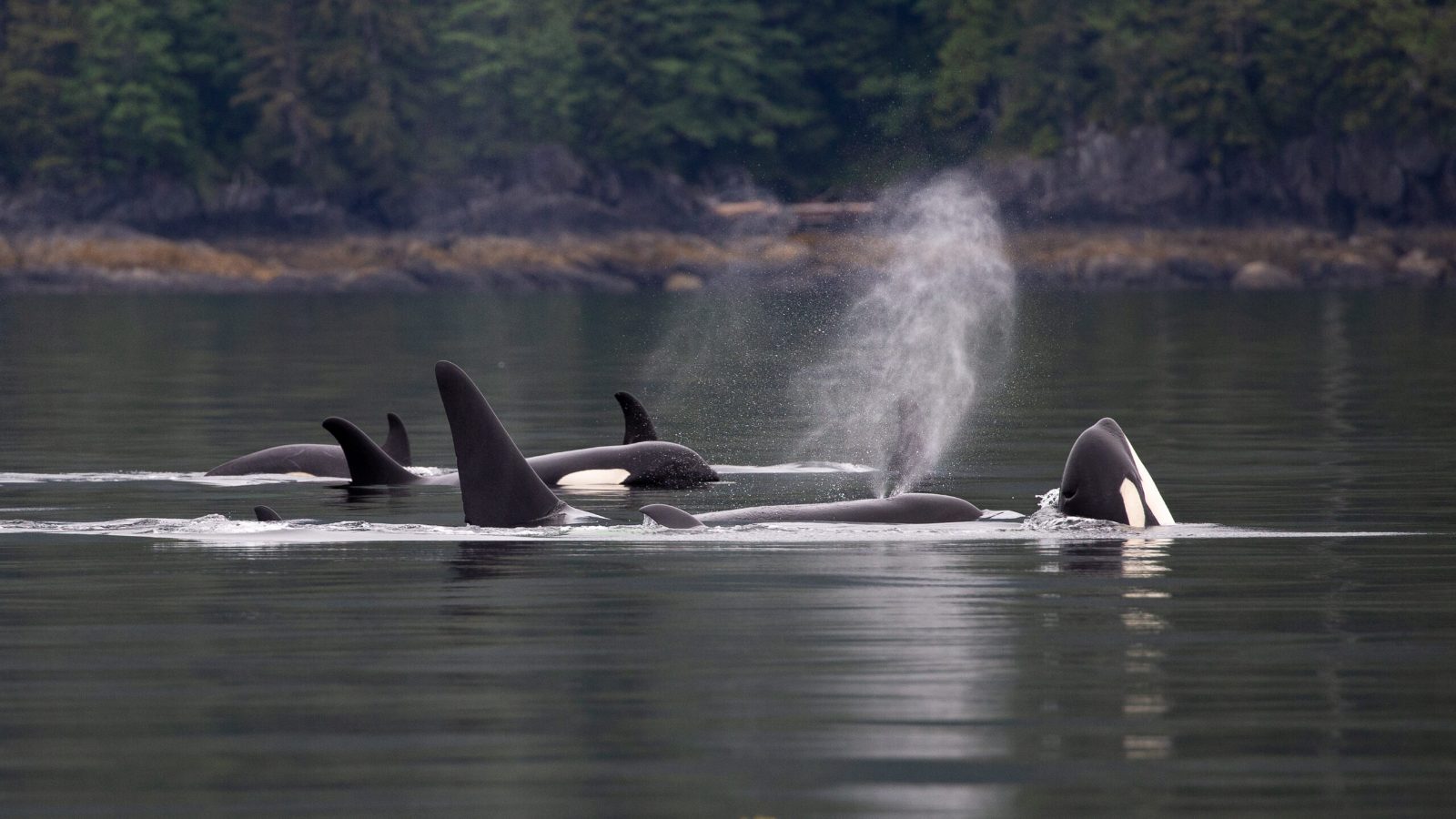
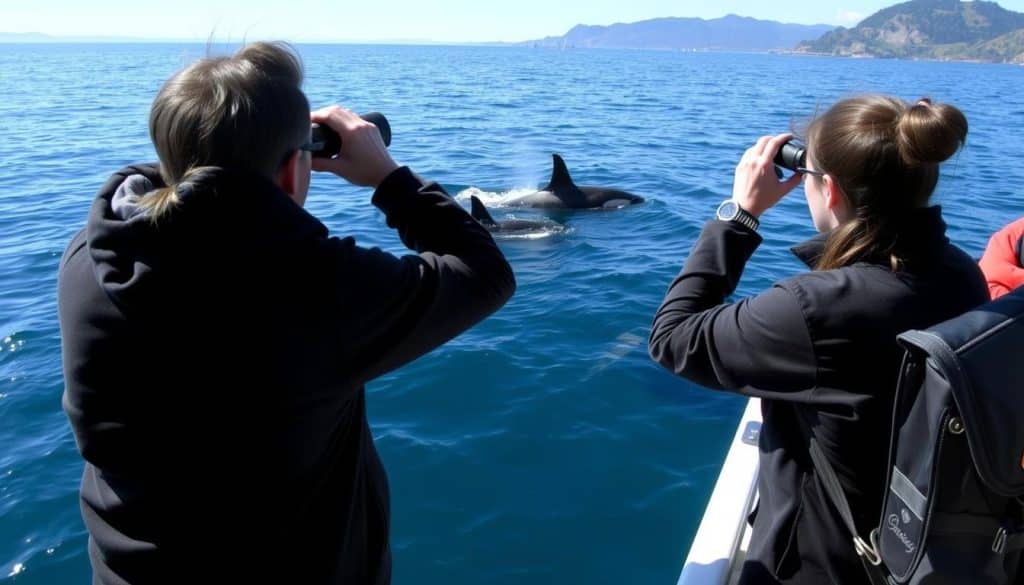
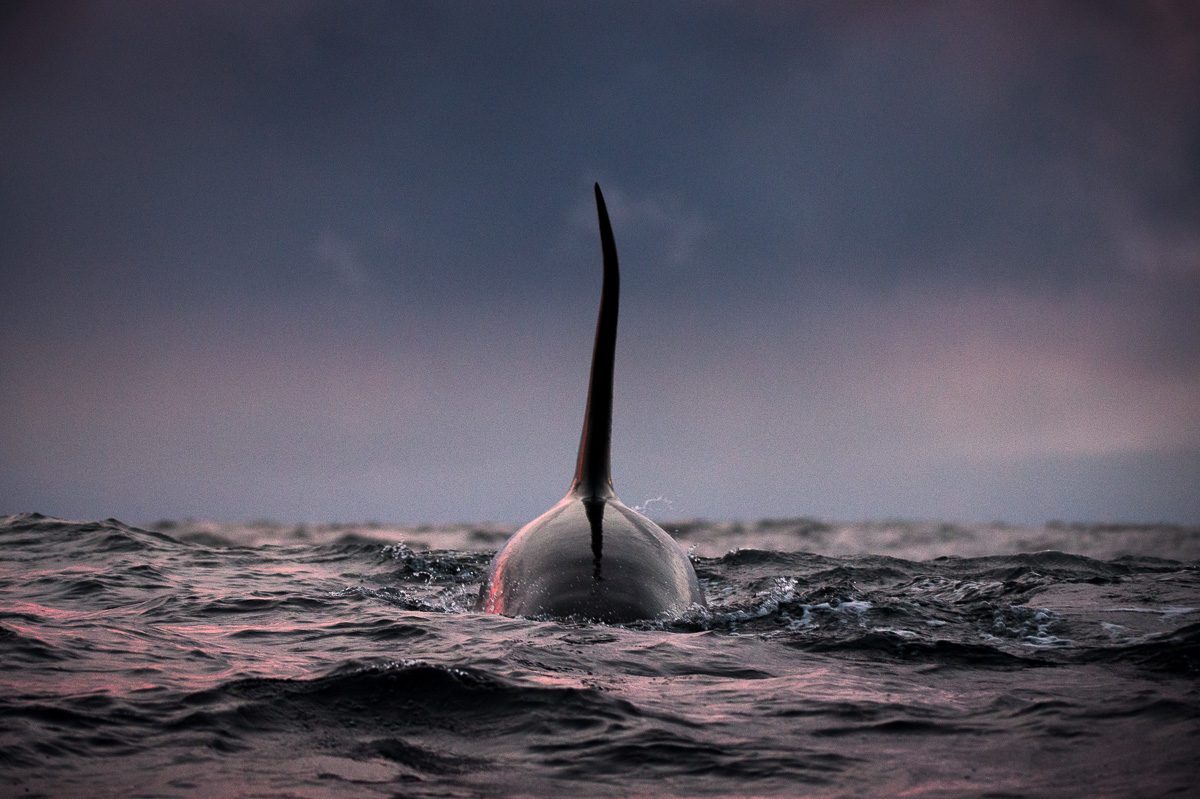
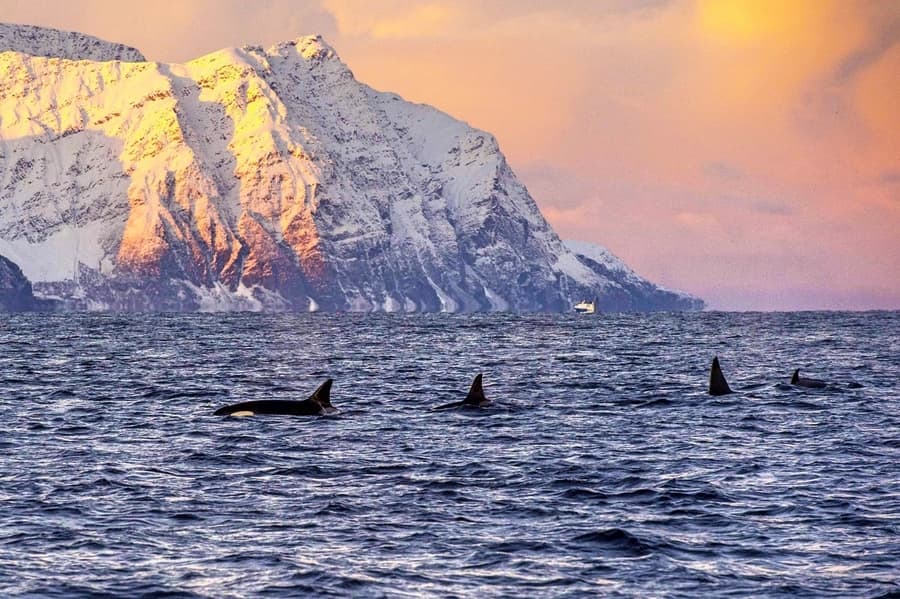
Then the shout. Fins, sometimes six or eight at once, the tallest belonging to an adult male. You move to the rail, brace against the swell, and the pod passes close enough that you hear the exhale before you see the blow. Your tromso orca tour runs the full day, so there is time to wait out a dive, drift, and pick up the pod again.
You eat on board with the engines idling. Back at the quay the light is already going, and you peel off the suit with cold, clumsy hands.
All the details about your upcoming adventure in one place
Between November and January, herring shoals push into the fjords north of the city and draw killer whales and humpbacks close to shore, which is what makes a tromso orca tour possible in the first place. Boats leave the harbour and follow marine-biologist guides toward Skjervøy and the Kvænangen fjords, where hydrophones and onboard naturalists explain pod behaviour, feeding carousels and the polar night light. Most tromso orca tour tickets include thermal suits, hot drinks and a small-group vessel with open outer decks for clear water-level viewing.
Killer whales are not whales at all. They are the largest members of the dolphin family, and the pods that gather off Tromsø each winter have learned to follow a single food source across hundreds of kilometres of open water: the Norwegian spring-spawning herring.
That herring stock rewrote the map. For decades the fish overwintered in the Lofoten basin and around Vestfjorden. In the late 1980s they shifted north into Tysfjord, and by around 2011 the shoals had moved again — into Kvænangen, Skjervøy and the fjord systems north-east of Tromsø. The orcas followed. So did the humpbacks, and behind them the white-tailed eagles that pick over the surface after a feeding bout. The result is one of the densest predictable concentrations of large marine mammals in Europe, reachable from a working harbour at 69 degrees north. A tromso orca tour exists because the fish moved, not because anyone planned it.
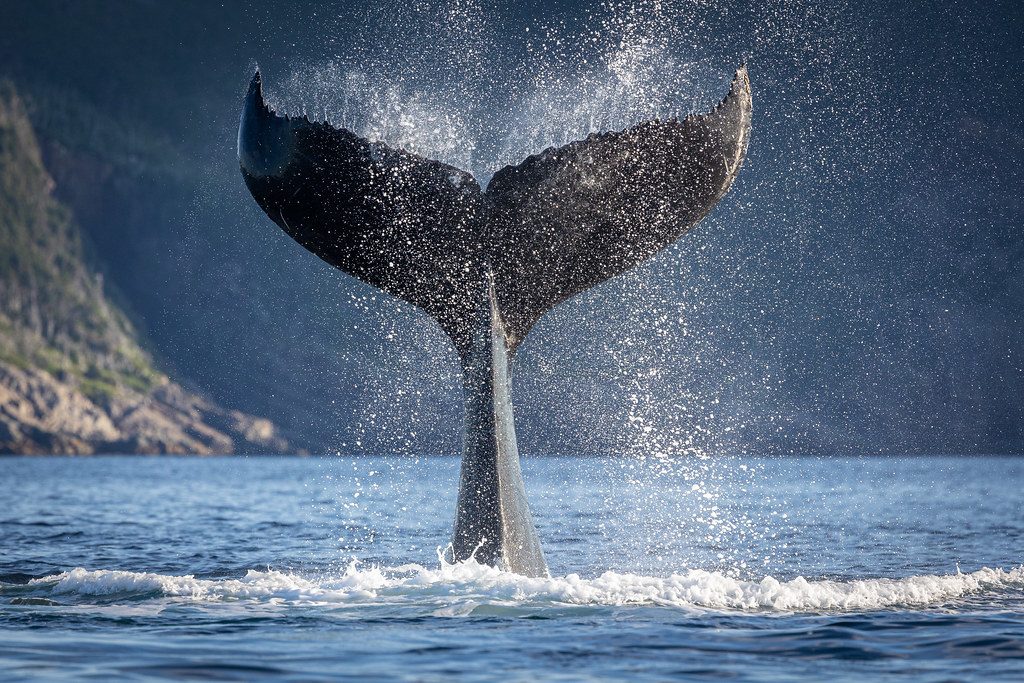
The hunting itself is a documented behaviour called carousel feeding. A pod circles beneath a herring shoal, herds it upward into a tight ball against the surface, then stuns individual fish with blows from the tail fluke. Norwegian researchers first described the technique in the 1980s using underwater film; it is largely specific to the North Atlantic population, and it is why the water around a feeding pod turns silver with scales. Photo-identification catalogues, built from the shape of the dorsal fin and the grey saddle patch behind it, now track hundreds of individuals returning year after year.
That science underpins the modern operation. Tromso orca watching runs under Norwegian guidelines that set minimum approach distances and cap the number of vessels near a pod, and most operators — whether running a heated catamaran or a smaller tromso orca watching rib — log sightings for research. The tromso orca watching season is a winter affair, tied to the herring's arrival and the brief blue light of the polar day; a tromso killer whale tour in January looks nothing like a summer sailing, and a tromso orca trip in shoulder weeks may range far along the coast before finding a pod.
Tromsø itself supplies the infrastructure: a nineteenth-century Arctic trading and whaling port turned research city, home to the world's northernmost university and the Polaria centre. From Kaigata 6, the harbour front that dispatches most tromso orca tour tours, the Arctic Cathedral and the Tromsdalstind ridge stand in plain view — a reminder that this tromso orca tour begins in a city built entirely on what the sea delivers.

The orcas did not choose Tromsø; they followed the herring, and the harbour simply happened to be there.
Arctic conditions require thermal base layers, wool sweaters, and windproof, waterproof outer shells. Sturdy, insulated winter boots are essential for staying warm on deck.
Most vessels provide dedicated storage areas for backpacks and luggage. Passengers should keep valuables on their person during the tromso orca tour.
Cameras are encouraged, but ensure your gear is protected from sea spray and freezing temperatures. Using a neck strap is recommended to prevent accidental drops on deck.
The tromso orca tour is family-friendly, with many operators offering heated indoor lounges. Children under certain ages may travel free or at a reduced rate depending on the provider.
Access can be challenging due to tidal variations and gangway steepness. Some vessels are not suitable for wheelchair users; please verify specific ship layout for your tromso orca tour.
Complimentary hot coffee, tea, and chocolate are often provided. Kiosks on board sell snacks and light meals, but bringing extra water is advised.
Opening hours
08:00–16:00
Address
Kaigata 6, 9008 Tromsø, Norway
Accessibility
Varies by vessel; contact prior to booking
Best arrival
08:00–08:15
Storage
Ample space for luggage on board
Departure
Pier beside Skarven Kro
Full refunds are typically available for cancellations made 24 to 48 hours in advance. Cancellations within the final window result in a 100% fee, excluding the standard entrance fee of 1,990 NOK if applicable.
Recommended time
Full day
A typical tromso orca tour requires a full-day commitment to navigate the fjords and locate marine wildlife. We recommend arriving during the best arrival window of 08:00–08:15 to ensure you secure your tromso orca tour tickets before the fleet departs. Since these whale watching boat excursions occupy the entire operational day, travelers should avoid planning additional evening activities at Kaigata 6. Booking your tromso orca tour tours in advance helps manage expectations regarding capacity and boarding logistics.
Crowd levels through the day
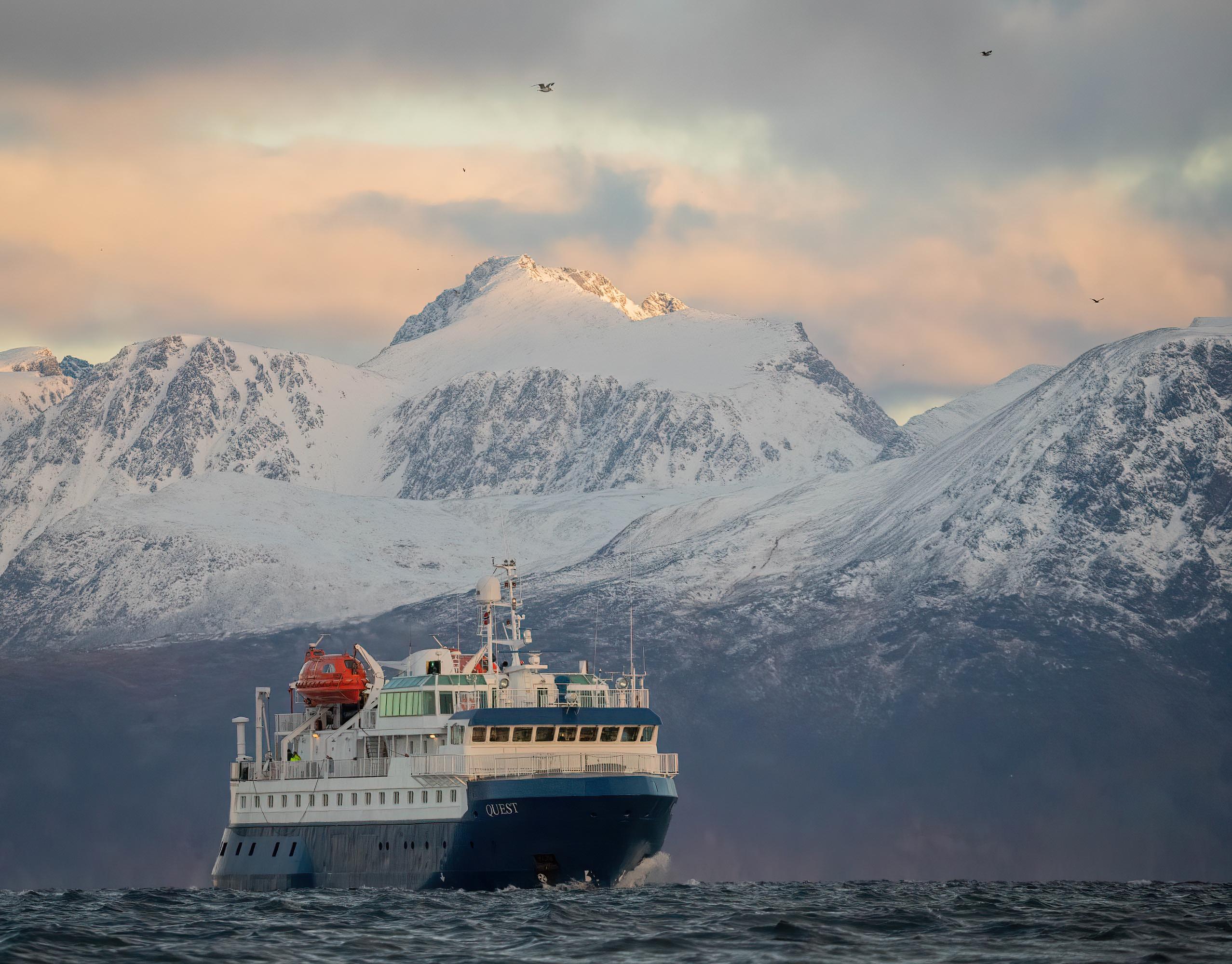
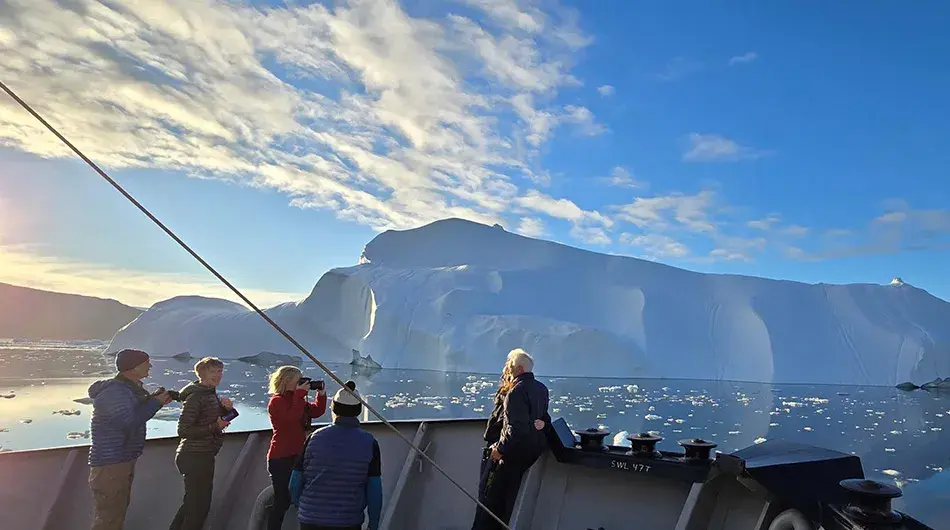
Stand at the very front of the vessel for an unobstructed view of marine life breaching the surface. This position offers the best chance to capture dorsal fins against the snowy mountain backdrop during a tromso orca tour.
Position yourself here for consistent lateral shots as the boat maneuvers alongside pods. This vantage point provides stability for long lenses when tracking cetaceans in the water.
The rear of the boat allows for wider landscape compositions showing the wake and the surrounding Arctic fjords. It is often less crowded than the bow, giving you space to adjust camera settings for tromso orca tour tours.
Ascend to the highest accessible level for a top-down perspective of the sea. This elevated area is ideal for capturing the scale of the boat relative to the vast, icy environment during tromso orca tour tickets holders' excursions.
Embarking on a tromso orca tour requires careful preparation to ensure children remain warm and comfortable during long hours at sea. Navigating this arctic marine adventure is manageable when you plan for the specific demands of the cold climate.
These expeditions are best suited for children aged 6 and older who can tolerate extended periods in cold temperatures. Younger toddlers may find the long duration and restricted movement on deck challenging.
Layering is essential, so bring thermal wool base layers, windproof outerwear, and extra mittens for the tromso orca tour tours. You should ensure every family member has sturdy, waterproof footwear to maintain comfort throughout the day.
Spending the entire day on a boat requires high energy levels and patience from young travelers. Evaluate your child's ability to stay steady on a moving vessel when securing your tromso orca tour tickets.
The vessels typically offer limited indoor space, so confirm access to onboard restrooms when booking your tromso orca tour tour. Note that private changing tables for infants are rarely available in these maritime settings.
Pack high-energy snacks and warm drinks in a thermos, as food service options on the water may be limited. Bringing familiar items helps keep children satisfied during the journey through these northern coastal fjords.
Real experiences from real travelers
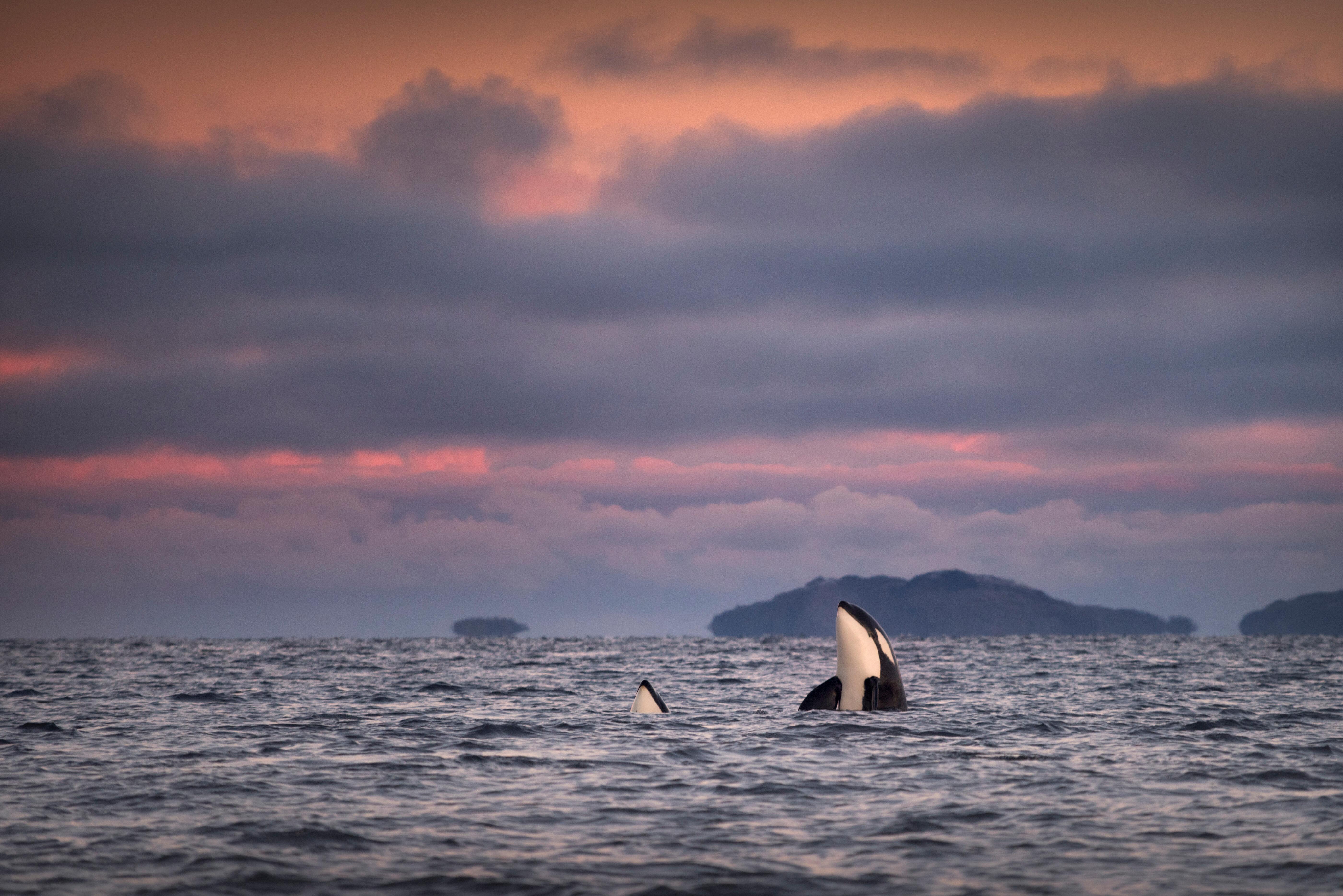
We boarded the tromso orca tour just after nine and the sky held that long pink twilight for the whole trip. A pod of maybe fifteen passed under the bow, and the tallest dorsal fin stood higher than our guide. Wear wool under the flotation suit because the wind on the open deck cuts hard.
You smell the herring before you see anything, and the water near Skjervøy was boiling with gulls before the fins came through. Our skipper cut the engines and we drifted in near silence for twenty minutes. Seasickness tablets an hour before the crossing were a good call.
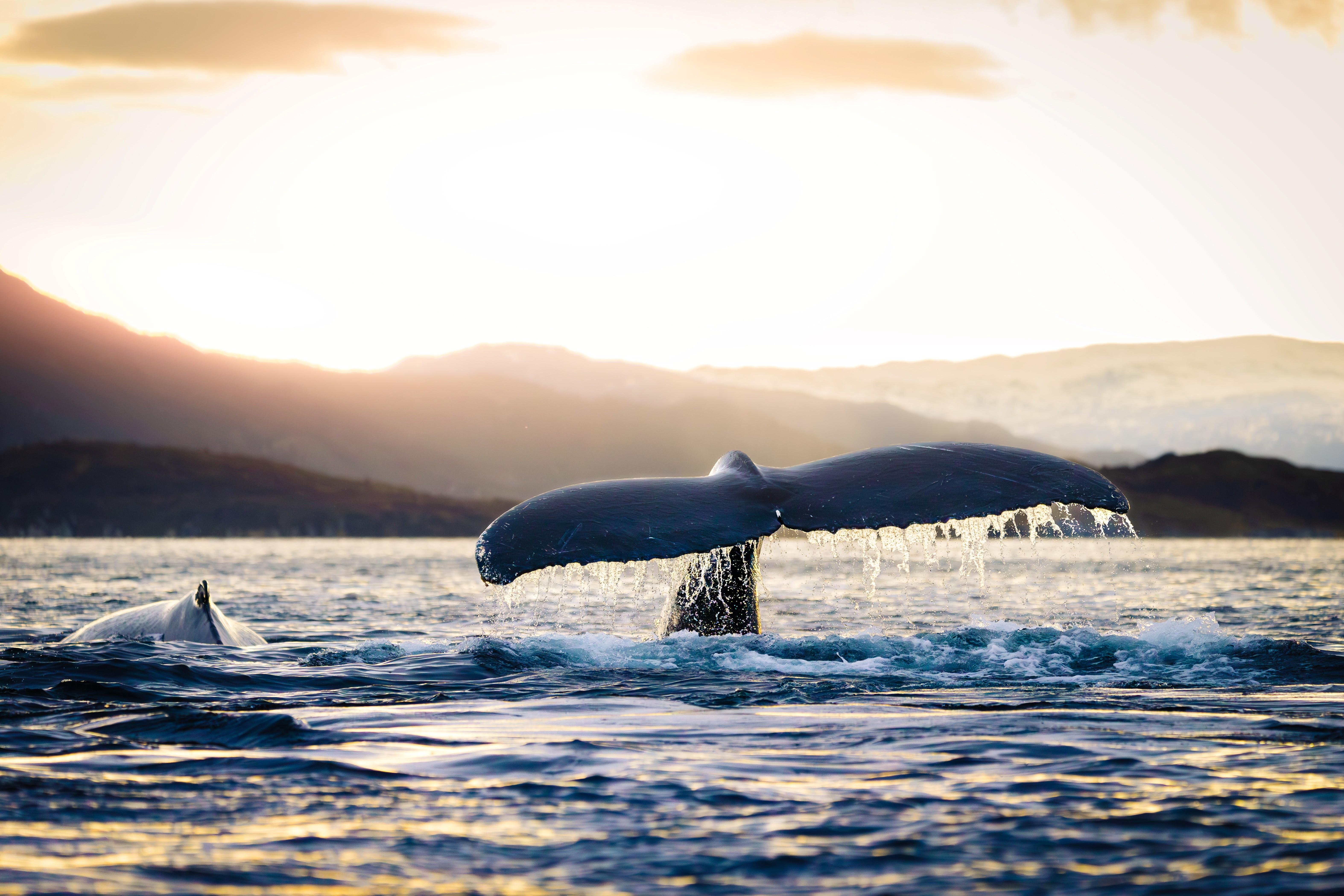
A humpback surfaced close enough that the blow drifted across the rail and smelled of fish and cold salt. The hybrid electric boat runs quiet, which clearly matters to the animals. Norwegians call the orca spekkhogger and our guide used the word all afternoon.
Two hours of grey water and nothing, then forty minutes of orcas hunting under a cloud of birds. My gloves were not enough against the wind coming off the Lyngen Alps. Still, the tromso orca tour gave us exactly what we came north for.
Booked a small-group hvalsafari after reading about the electric vessels and that was the right choice. The pod passed within about twenty metres and we could hear the exhalations carry across the water. A white-tailed sea eagle sat on the shoreline ice the entire time we drifted.
Writing this in May and I can still picture it: the tromso orca tour tour ran in near-darkness at midday and the fjord looked like black glass. Two calves swam tight against a female and nobody on deck spoke for a while. The crew passed out hot blackcurrant drink on the way back toward Tromsø.
The run out to Kvænangen was choppy enough that half the deck went inside, but the fjord itself was mirrored. Orcas came at us in a loose line, maybe twenty animals spread across the channel. Watch where the crew point, because they read the seabirds long before anyone else sees a fin.
Weather closed in an hour after departure and we only saw distant blows through the sleet. The crew were honest about the odds when we collected our tromso orca tour tickets at the dock, which I appreciated. I would try again on a clearer day.
What stays with me is the sound, or the lack of it, with engines off and only breathing and gulls. The herring migration pulls the whole system into one fjord and you feel very small in the middle of it. Among Arctic Norway landmarks this is the one that moves, and the tromso orca tour tours run in that strange blue polar-night light.
Everything you need to know for your journey
The office at Kaigata 6 is open 08:00–16:00 daily.
Access is often limited by tidal conditions and gangway steepness; contact the operator to confirm.
Bring warm, waterproof clothing, a camera, and motion sickness tablets.
Yes, the tromso orca tour is family-friendly with heated indoor areas.
The peak season is November to January for the best sightings.
Most boats have kiosks selling snacks and drinks.
Cancellations within 48 hours usually forfeit the 1,990 NOK fee.
Yes, arrive between 08:00–08:15 to maximize daylight.
Sightings are never guaranteed as nature determines the outcome.
Join thousands of happy travelers who have discovered this incredible experience
Book Your Experience Now